


Dried Onions – Preserving Flavor and Nutritional Value for Longer Periods
Introduction
Dried onions are an excellent choice for preserving onions for extended periods while maintaining their distinctive flavor. They can be dried using sun drying, a low-temperature oven, or modern dehydrators, turning them into flakes or powder that can be easily used in various dishes.
Nutritional Value and Health Benefits
Dried onions are rich in antioxidants such as quercetin, which support heart health and help reduce inflammation.
They are a good source of vitamin C, B6, and potassium, along with beneficial minerals that strengthen immunity and improve digestion.
They also provide dietary fiber and help regulate blood sugar and cholesterol levels, according to Health.
Drying and Preparation Methods
Home Method: Peel the onions and slice them thinly, then dry them in an oven at low heat (about 150°F) or in a dehydrator until crispy. Grind into powder if desired. Store in an airtight container in a cool, dry place, as recommended by the Reddit Homestead community.
Sun Drying: In dry climates, place onion slices on a mesh or cloth, cover to protect from insects, and grind them once completely dry, as described on Reddit.
Culinary Uses
Dried onions are perfect for seasoning pizza, sauces, soups, and salads to add a concentrated flavor, as noted by Wikipedia.
They add crunch and taste to burgers and canned foods and are preferred in recipes that require less moisture, according to chefs on Reddit.
Storage and Shelf Life
Store dried onions in a cool, dry place in an airtight container; they can last for several months (Reddit).
When storing, it’s recommended to stir the powder during the first week to avoid clumping and ensure ventilation.
Dried Onion Flakes / Powder
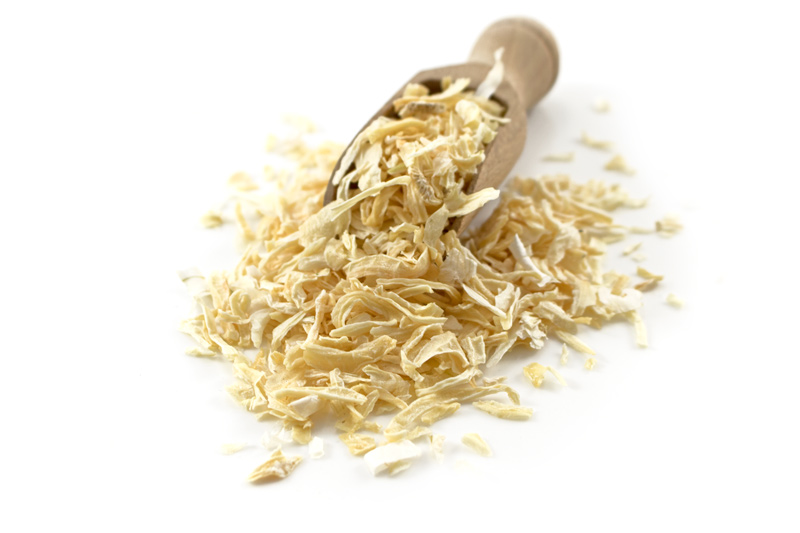
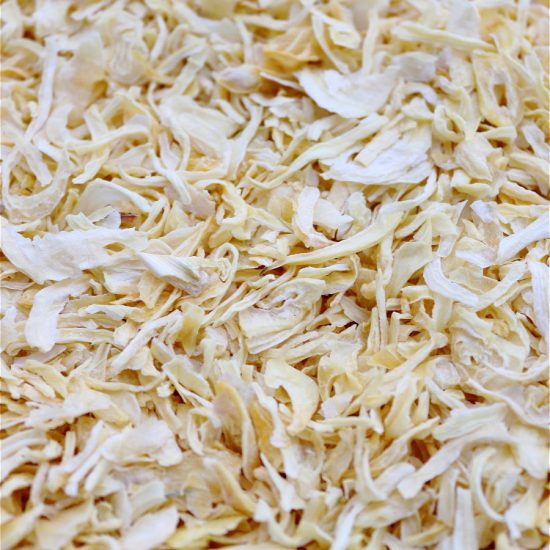
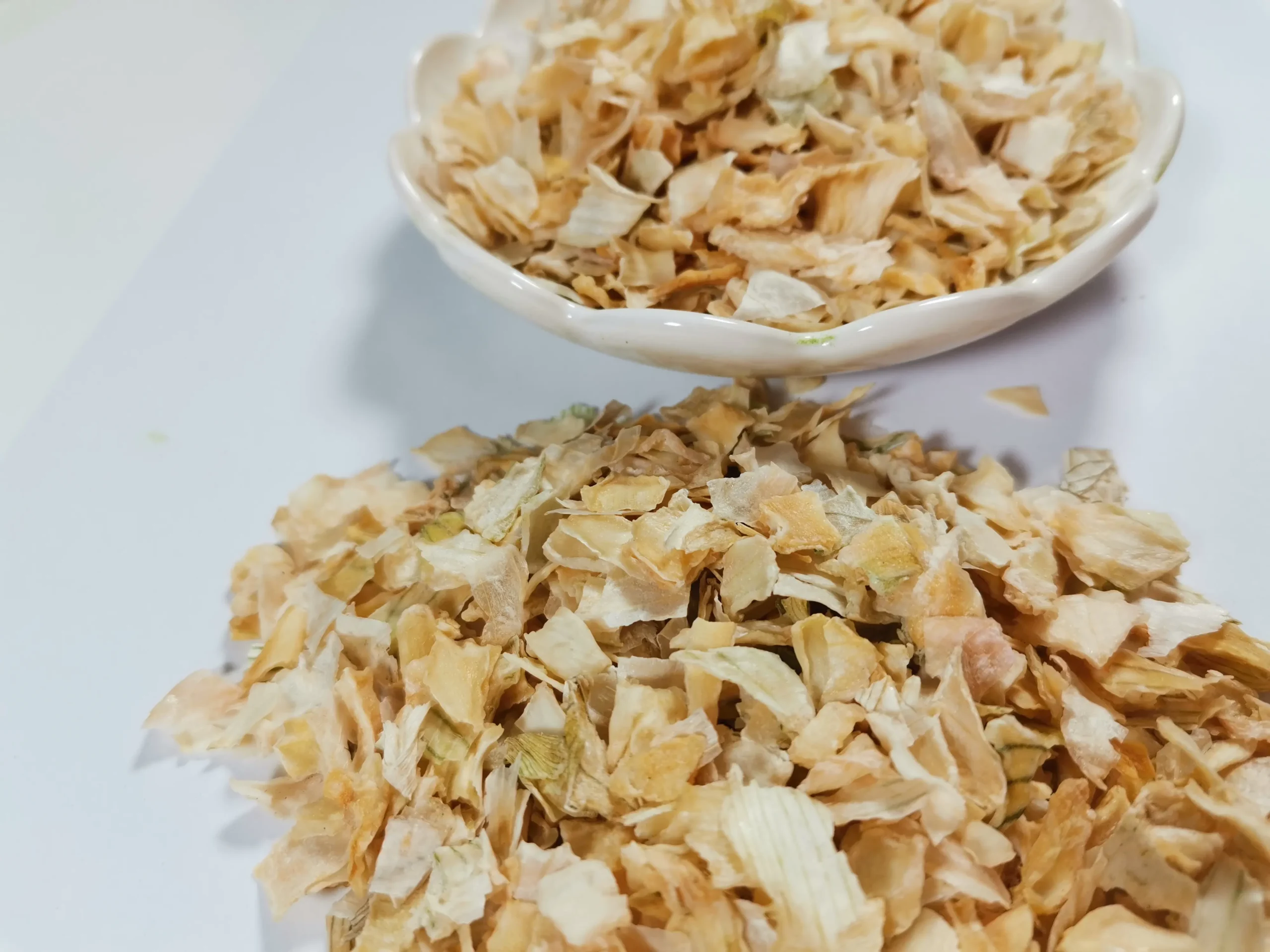
Dried onion is produced by dehydrating fresh, high-quality onions. It is available in various forms such as flakes, granules, and powder, retaining the flavor and aroma of fresh onion.
Physical Properties
Color: Off-white to light brown
Texture: Flakes, granules, or fine powder (depending on the form)
Odor: Characteristic pungent onion smell
Taste: Strong, typical onion flavor
Moisture Content: ≤ 7%
Chemical Properties
Total Ash: ≤ 6%
Acid Insoluble Ash: ≤ 1%
Volatile Oil Content: Depending on variety
pH (for aqueous solution): 5.0 – 6.0
Nutritional Information (per 100g)
Energy: Approx. 350 kcal
Protein: 10–12 g
Fat: 0.5–1 g
Carbohydrates: 70–75 g
Fiber: 9–10 g
Sugars: 8–10 g
Sodium: 60–80 mg
Quality Standards
“Compliant with local and European standards according to food safety regulations.”
Free from foreign matter and adulterants
Consistent color and particle size
Free from mold, pests, and off-odors
Meets international food safety standards (ISO, HACCP, FDA)
Microbiological Standards
Total Plate Count: < 100,000 cfu/g
Yeast & Mold: < 1,000 cfu/g
E. coli: Negative
Salmonella: Absent in 25g
Coliforms: < 100 cfu/g
Packaging & Storage
As per the customer’s request, polypropylene bags and cartons.”
Storage: Store in a cool, dry place away from direct sunlight and moisture.
Avoid contact with strong odors and chemicals.
Shelf Life
12 to 24 months under proper storage conditions.
Traceability and Compliance;
Origin: Egypt
Applications
Seasoning and flavoring in soups, sauces, curries, and gravies
Used in ready-to-eat meals and snack seasoning
Common in spice blends, meat rubs, and marinades
Convenient substitute for fresh onions in cooking
Popular in dehydrated meal kits and food service industries
phone:
+201145999623
Email:
exports@crops.cropskingdom.com
Address:
Abo Gensho, Ibshway. Fayoum Egypt
Leave a Reply